Telerehabilitation in Physiotherapy: Effectiveness, Challenges, and Future Scope
Keywords:
- Telerehabilitation; Physiotherapy; Telehealth; Digital Rehabilitation; Artificial Intelligence; Virtual Reality; Remote Patient Monitoring
Abstract
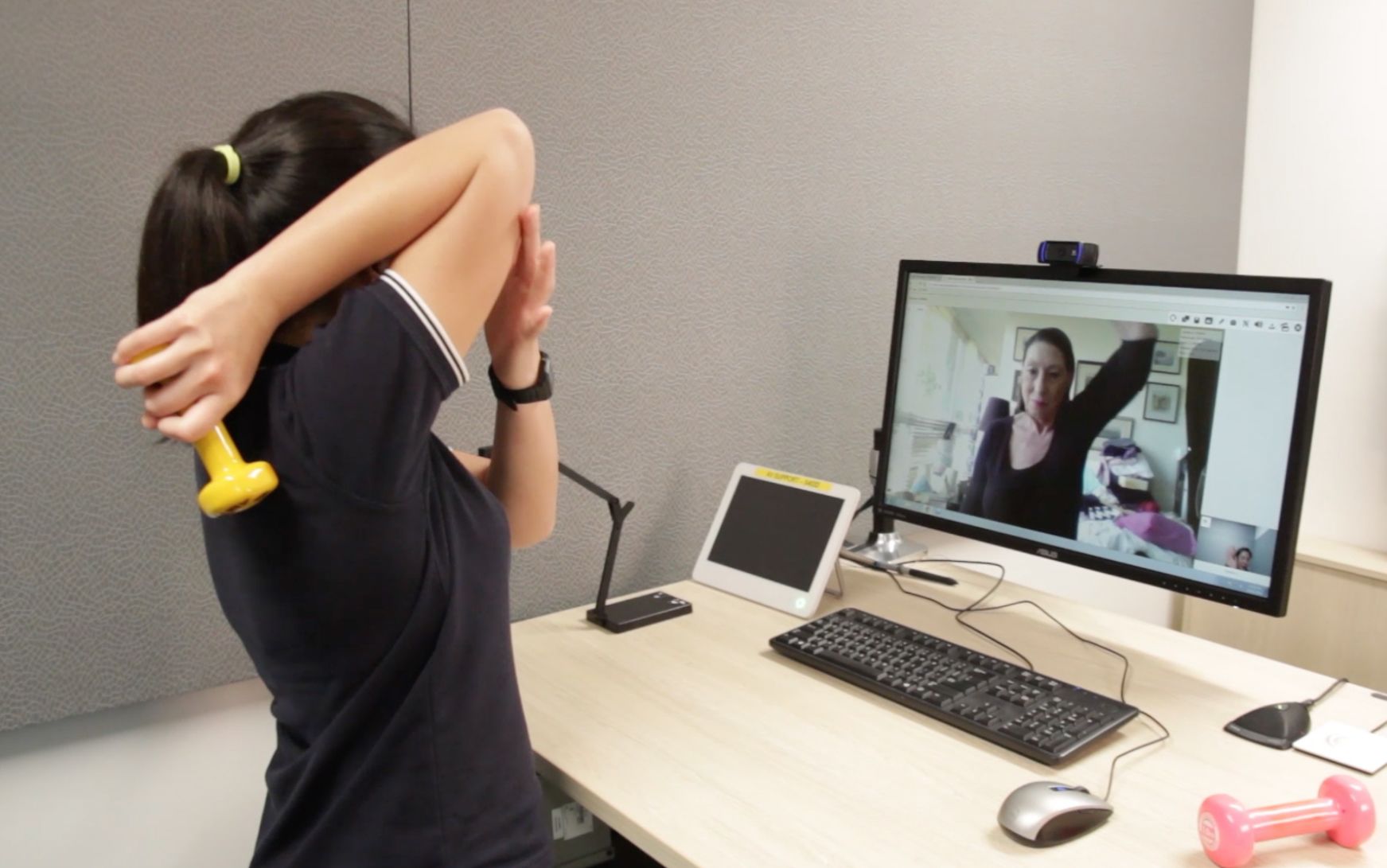
The use of digital technologies to deliver rehabilitation remotely is an important part of the modern physiotherapy practice: this is the concept of Telerehabilitation. This review investigates the efficacy, clinical use, technologies, obstacles and future directions of telerehabilitation in physiotherapy. Recent findings suggest that for many types of exercise-based rehabilitation (ESR), telerehabilitation (TR) can yield results similar to traditional physiotherapy, especially in musculoskeletal, neurological, cardiorespiratory, pediatric, geriatric, and sports rehabilitation. It has been demonstrated to have positive effects on the management of symptoms of pain, functional outcomes, adherence to treatment, patient satisfaction, access to healthcare and cost of treatment as well as travel expenses. With the emergence of new technologies such as video conferencing, mobile health apps, wearable sensors, artificial intelligence, and VR, the quality and efficacy of distance rehabilitation has been further improved. But restraints like insufficient digital infrastructure, privacy worries, technological literacy and lack of hands-on assessment are hindrances for its general application. In summary, telerehabilitation is a potentially useful adjunct to traditional physiotherapy and the possibilities of future technological developments are likely to further enhance its accessibility, effectiveness and implementation into daily physiotherapy care.